· Timothy O'Brien
This Book Ships Weekly
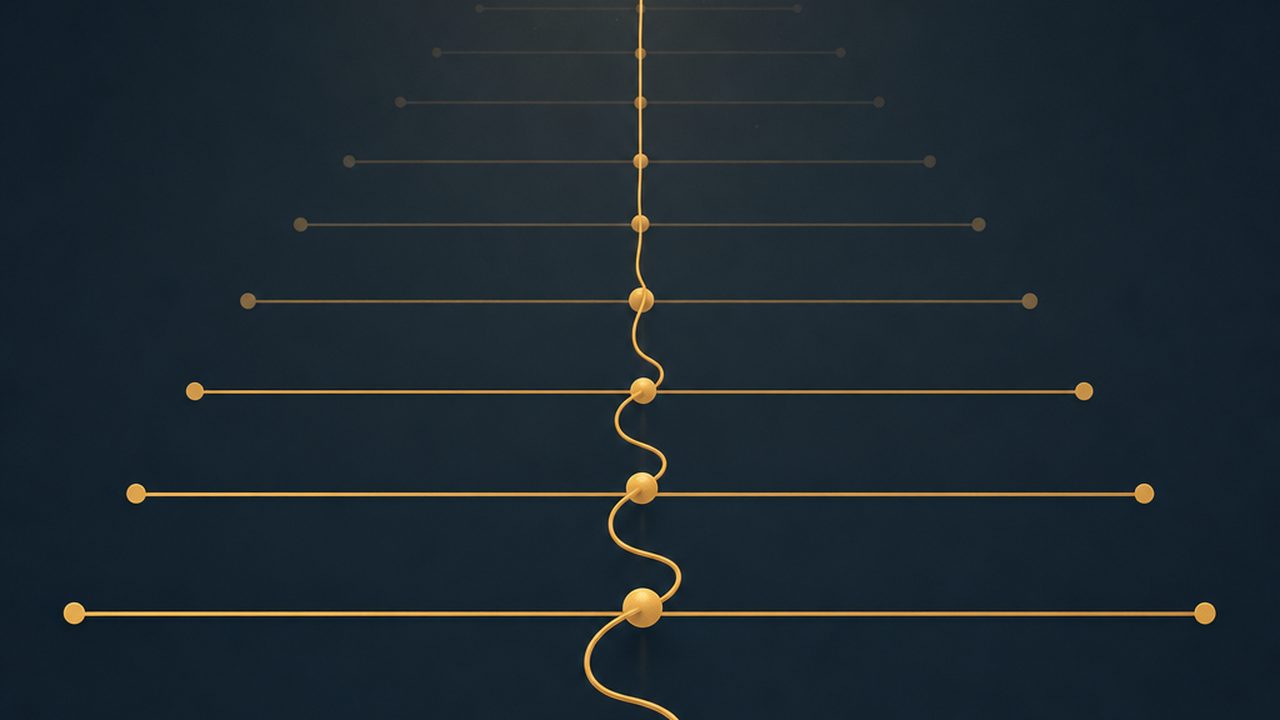
People ask how you write a book about a field that changes every week. The honest answer: you don’t finish one. You keep writing it, you push an update every week or so, and you tell readers up front what they’re holding.
This week’s update landed in chapters 4 and 5. Steve Yegge published a post-mortem explaining that Gas Town — the harness that made multi-agent orchestration tangible in January — had effectively burned down when Opus 4.7 arrived, and that he has given up on reusable harnesses entirely. Both chapters now carry that reversal, the quotations checked against the full essay. On September 29, OpenAI shipped twenty-five DevDay announcements and AWS put OpenAI’s agents inside Bedrock the same day; eight days later, those were paragraphs in the book too. Pay attention and you can catch yesterday’s model announcement in there.
That’s the cadence, not a special occasion. At least once a week — usually more — something in the book gets revised: a footnote reverified against a primary source, a price rechecked, a paragraph on the thing that shipped Tuesday. Most weeks the changes are small. They’re not dramatic. But they’re real, and they compound: read two versions a month apart and you can see the field move.
A book that ships finished and never changes is making a promise its subject can’t keep. The career chapters here do hold still — the work of recognizing orchestration doesn’t move weekly. The systems chapters can’t, and shouldn’t pretend to. The platforms changed twice in the last month alone.
Which is why the best way to read it is the free one. The whole book is online at readorchestrator.com, chapter by chapter, no sign-up, no paywall. The online edition is the one that moves. When a model ships or a harness burns down, the change lands there first, usually within the week.
You can also buy it — paperback or Kindle on Amazon — and I want to be straight about what each one is. If you like print, buy print. Some people read better on paper, and I’m not going to argue them out of it. But understand what you’re buying: the print edition is a snapshot of the week you clicked the button. The electronic edition picks up the updates as I push them. Print holds the moment; the Kindle version travels with the book.
One more thing for print buyers, and it’s a thank-you: send me a picture of the print book — [email protected] works — and I’ll gladly add you to the list of readers who can download the current edition whenever they want, updates included. The book is free online either way, so you’re not missing out on anything by holding paper. This is just the part where the paper copy earns you the living edition too.
The field isn’t going to slow down, so the book doesn’t get to. Next week something else will ship, and next week’s update will absorb it. Read it online and you’re reading the book as it is. Buy the paperback and you’re buying the book as it was this week. Both are fine. Just know which one you’re holding.